

Have you noticed red, pink or orange staining appearing on your home’s exterior walls? Perhaps your once-clean pebble-dash or render now looks discoloured, tired and neglected, no matter how well you maintain the rest of your property.
The reddish staining commonly found on Irish homes is often associated with Trentepohlia, a type of green algae that appears orange or red because of its protective pigments.
Unlike ordinary dirt, red algae is a living organism. Its microscopic cells can settle on exterior surfaces and gradually form visible patches of pink, rust-red or orange discolouration.
Several factors can contribute to the problem.


Frequent rainfall, high humidity and periods of damp weather can create favourable conditions for algae to establish itself on exterior walls.
When a wall takes longer to dry after rainfall, organic growth has more opportunity to develop. Over time, small patches can spread across larger areas, leaving the exterior looking increasingly stained.
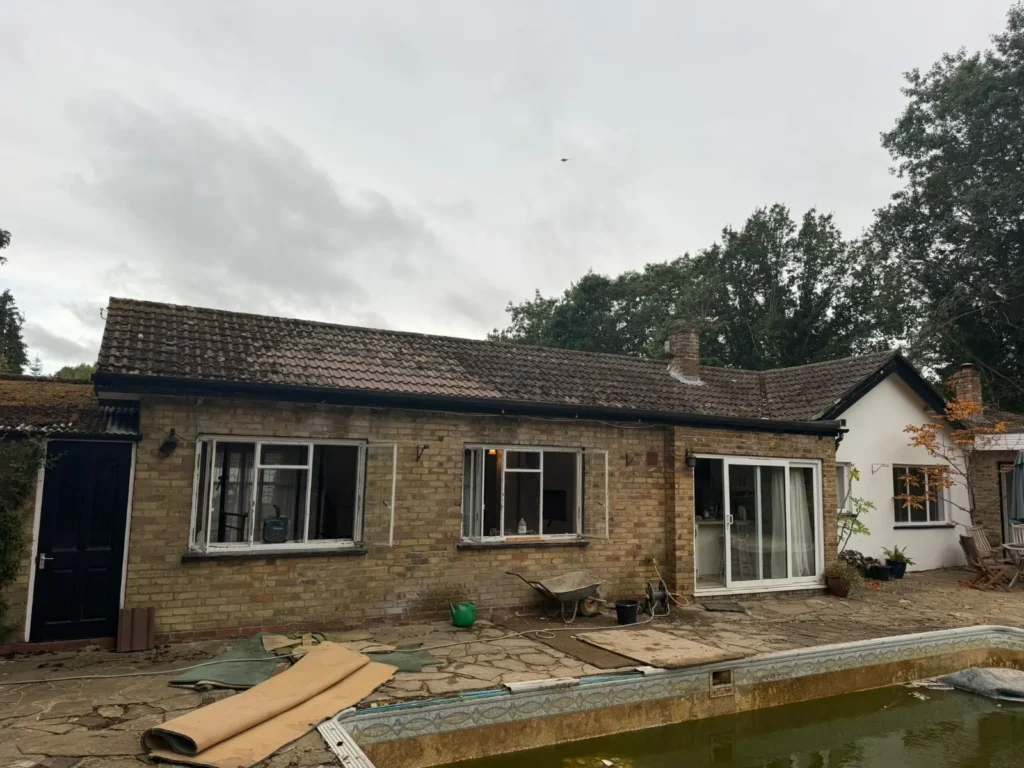
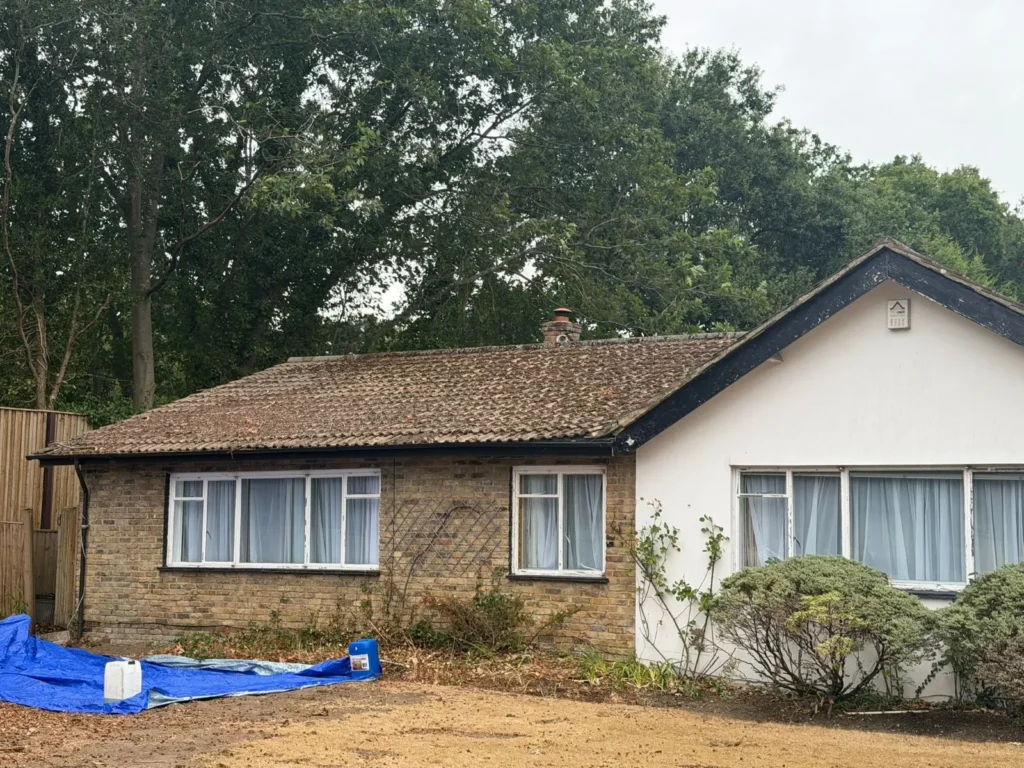
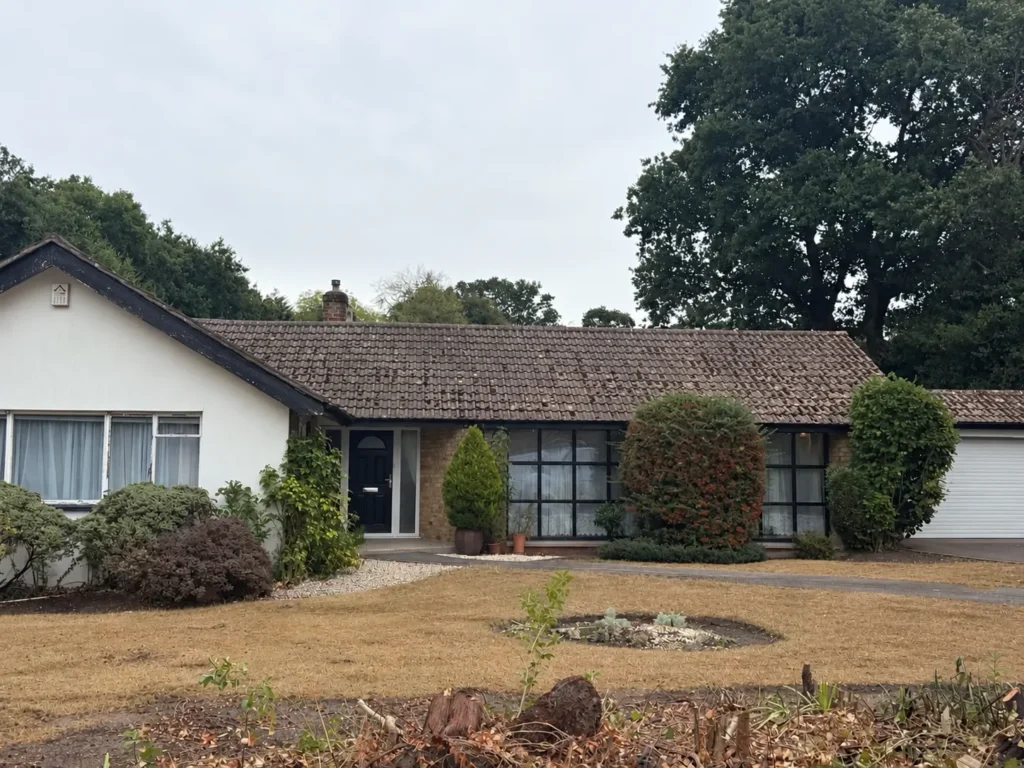
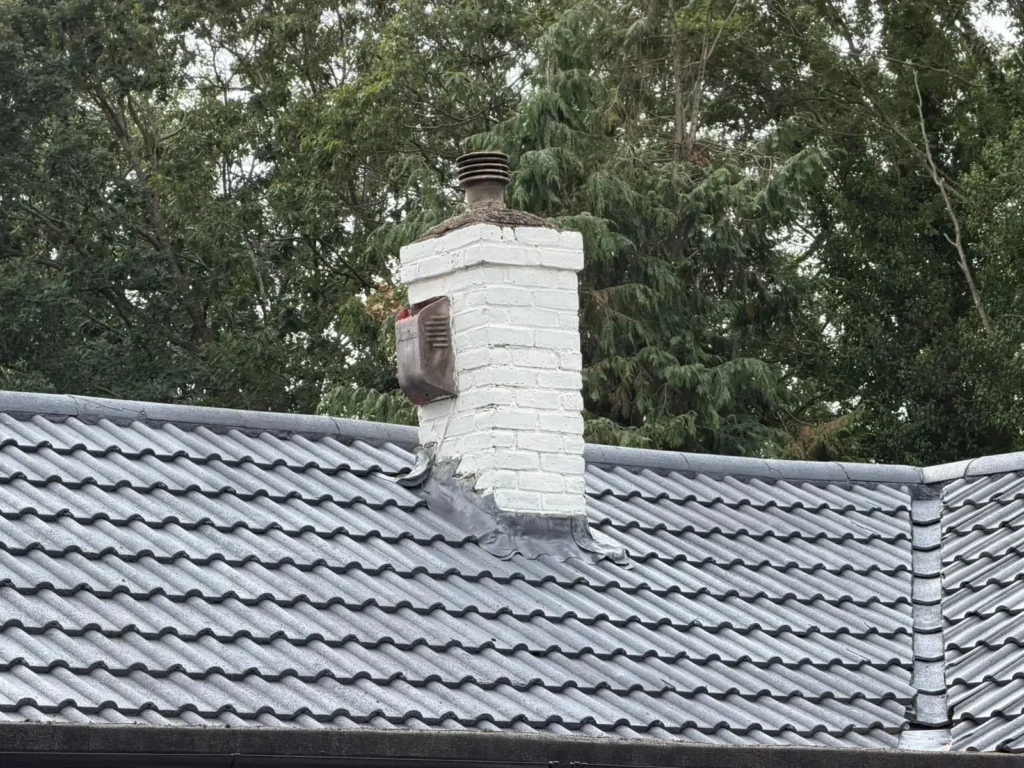
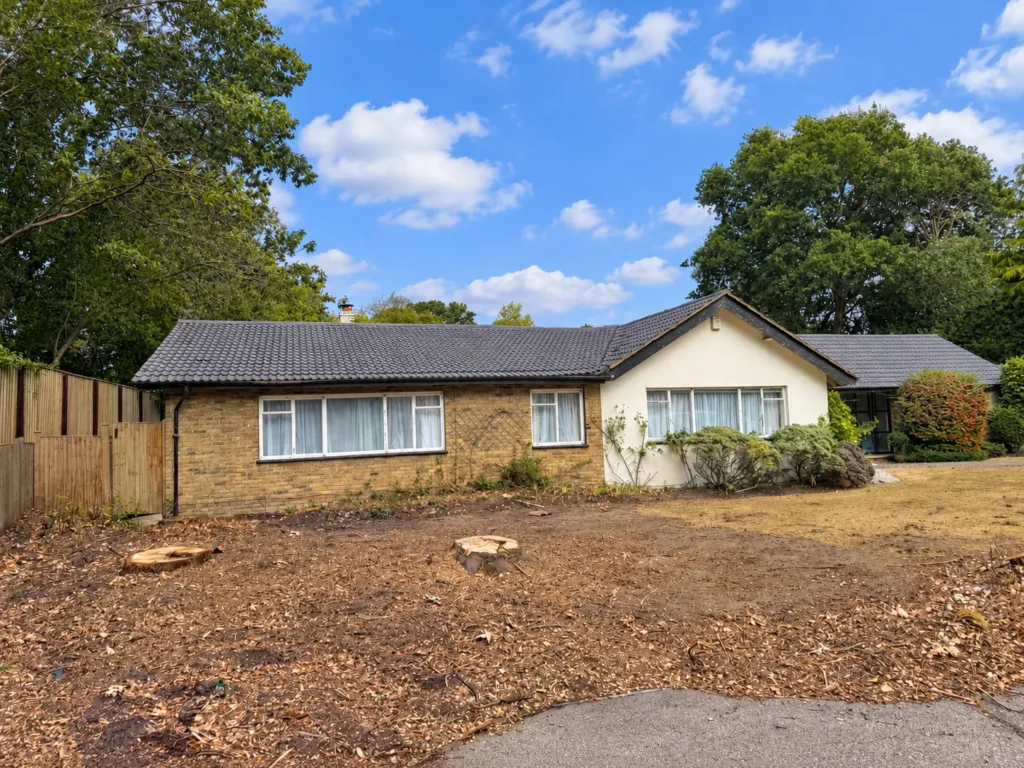
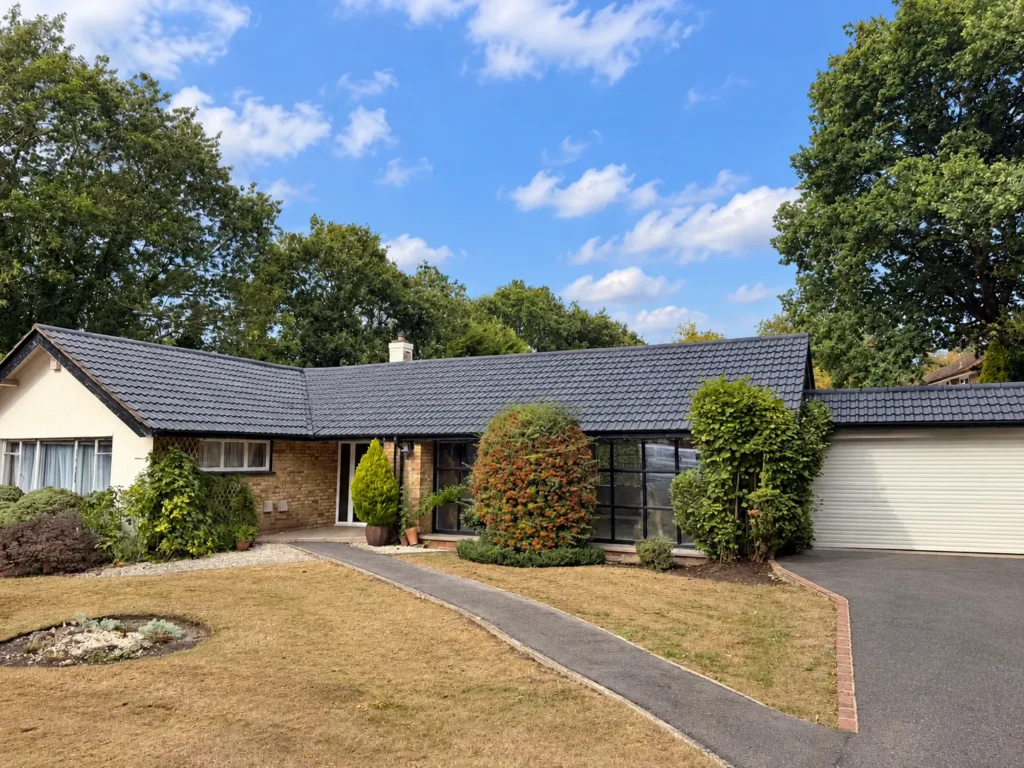
Textured finishes such as pebble-dash and render can provide a suitable surface for algae to settle and establish itself.
Their uneven texture can retain moisture and collect airborne particles, making organic staining particularly noticeable. Once growth develops, ordinary rainwater will not necessarily remove it.
Walls that remain damp for extended periods can be more susceptible to certain types of algae and other organic growth.
Overhanging trees, nearby hedges, narrow passages between buildings and leaking gutters can all contribute to conditions that encourage staining.
However, red algae can also appear on exposed or sunny walls, depending on the species and local conditions. It is not always possible to identify the cause from the colour alone.
Older, weathered or unprotected wall finishes may absorb more rainwater than a suitable, well-maintained protective surface.
This does not automatically mean your render needs replacing. In many cases, professional cleaning followed by an appropriate exterior coating can be a practical way to improve the appearance of the property and provide additional protection.
Red algae can make an otherwise well-maintained house look older than it really is. Large patches of reddish staining can spoil the appearance of your render, pebble-dash or exterior masonry.
Although red algae does not necessarily indicate structural damage, persistent organic growth and dampness should not be ignored.
The main concerns for homeowners include:
Reduced kerb appeal: Stained exterior walls can make your home look dirty and neglected.
Uneven discolouration: Red and orange patches can become increasingly noticeable as the growth spreads.
Persistent surface moisture: Organic growth and the conditions that encourage it can leave surfaces looking damp for longer.
Potential maintenance issues: Cracked render, damaged paintwork or leaking gutters can allow moisture problems to develop independently of the algae itself.
If your walls are stained, it is worth identifying the cause and choosing an appropriate cleaning method before the problem spreads.
One of the biggest mistakes homeowners make is assuming that red algae can be removed in the same way as ordinary dirt.
Scrubbing, using household cleaning products or blasting the wall with a pressure washer may not provide a lasting solution. In some cases, unsuitable cleaning methods can damage the finish or leave the surface looking patchy.
Professional exterior wall cleaning takes a more considered approach.
Step 1: Assess the Wall Surface
Before cleaning begins, the condition and type of exterior finish should be assessed.
Different surfaces require different cleaning methods. Render, pebble-dash and painted masonry can be damaged by excessive pressure or unsuitable chemicals.
An assessment helps determine the appropriate treatment for the surface and the severity of the staining.
Step 2: Apply a Suitable Softwash Treatment
Softwashing uses a specialist cleaning solution applied at low pressure to treat organic growth.
At Universal Eco Homes Ireland, we use Benz Softwash as part of our professional wall-cleaning process. The treatment is selected to tackle organic staining while helping protect the underlying finish.
The product must be applied according to its instructions, with appropriate precautions taken to protect surrounding plants, people and property.
Step 3: Allow the Treatment to Work
The cleaning solution needs sufficient contact time to act on the organic growth.
The precise process depends on the product, surface and level of contamination. Following the correct application procedure is important for achieving an effective and even result.
Step 4: Rinse and Inspect the Surface
Where required, the wall is carefully rinsed and inspected to assess the result.
The objective is to remove the unwanted growth while preserving the integrity of the render or other exterior finish.
Some surfaces may require additional treatment, and the final appearance can depend on the original condition of the wall.
Why avoid aggressive pressure washing?
Excessive water pressure can erode render, dislodge pebble-dash aggregate, damage paintwork or force water into vulnerable areas. A professional will assess whether pressure washing is appropriate or whether a lower-pressure treatment is the safer choice.
Cleaning removes existing contamination, but it cannot guarantee that algae will never return.
Airborne spores remain present in the environment, and exterior walls continue to face rainfall, humidity and changing weather conditions.
There are, however, practical steps you can take to help maintain your home’s exterior.
Keep Gutters and Downpipes in Good Condition
Leaking or overflowing gutters can repeatedly wet exterior walls. Keeping rainwater goods clear and repairing leaks can help reduce unnecessary moisture exposure.
Manage Nearby Vegetation
Where practical, trim overhanging vegetation and maintain suitable clearance around exterior walls to improve airflow and help surfaces dry.
Address Cracks and Damaged Render
Damaged render, failed sealant and other defects should be assessed and repaired appropriately. Cleaning alone will not resolve underlying water ingress or structural issues.
For homeowners looking for more than a one-off clean, a suitable protective wall coating can provide an additional layer of defence against rainwater and surface contamination.
The condition of the existing wall, its moisture levels and the manufacturer’s preparation requirements should all be considered before applying a coating.
Once your exterior walls have been professionally cleaned, it may be worth considering whether a protective coating is the right next step.
At Universal Eco Homes Ireland, we offer ProPERLA wall coating systems designed to improve the appearance of exterior walls while providing water-repellent protection.
Helps Repel Rainwater
ProPERLA coatings are designed to be highly water-repellent, helping reduce rainwater absorption through the treated surface when correctly specified and applied.
This can be particularly beneficial for homes regularly exposed to Ireland’s wet weather.
Maintains Breathability
Suitable ProPERLA facade coatings are designed to combine water repellency with water-vapour permeability. This helps allow water vapour to pass through the coating rather than simply creating an impermeable barrier.
Correct product selection and preparation are essential, particularly where a wall already has moisture problems.
Improves the Appearance of Your Home
A professionally applied coating can transform tired-looking exterior walls, giving your property a cleaner, more uniform finish.
With a range of available colours, homeowners can choose a finish that complements their roof, windows and overall property style.
Makes Exterior Maintenance Easier
By reducing the amount of rainwater absorbed by the treated surface, a suitable coating can help keep exterior walls cleaner for longer under appropriate conditions.
It is important to understand that no coating can guarantee permanent protection against algae, dirt or future staining. Regular inspections and appropriate maintenance remain worthwhile.
If your exterior walls are heavily stained, you may be wondering whether they need to be repainted, recoated or completely replaced.
The answer depends on the condition of the existing surface.
| Wall condition | Potential solution |
|---|---|
| Red algae and surface staining | Professional exterior wall cleaning |
| Green growth and accumulated grime | Appropriate softwash treatment |
| Weathered but sound render | Cleaning followed by an assessment for protective coating |
| Faded or tired-looking exterior | Cleaning and a suitable decorative or protective coating |
| Cracked, loose or damaged render | Inspection and necessary repairs before coating |
If the render remains sound, professional roof cleaning may significantly improve its appearance without the expense and disruption of replacing it.
Where a coating is being considered, the wall should first be assessed to ensure the substrate is suitable and any underlying defects are addressed.
Your home’s exterior is constantly exposed to the elements. Choosing the right cleaning and protection system can make a noticeable difference to its appearance and ongoing maintenance.
At Universal Eco Homes Ireland, we help homeowners tackle stubborn exterior staining with professional wall cleaning and suitable protective coating solutions.
When you choose our team, you can benefit from:
Professional exterior wall cleaning to tackle red algae, green growth and accumulated dirt.
Surface-appropriate cleaning methods selected with the condition of your walls in mind.
ProPERLA wall coating options for homeowners seeking additional weather protection.
A choice of coating colours to refresh the appearance of your property.
A complete approach to exterior care, from cleaning through to protective treatment where suitable.
Rather than automatically assuming your walls need replacing, we can help you explore whether professional cleaning and coating are appropriate for your property.